
Categories
Home OwnersPublished September 10, 2020
Things Your Home Doesn't Need Anymore

10 Things Your Home Doesn't Need Anymore: How Many Do You Still Have?
Unless your home was built in the last year or two, it's likely to be full of outdated features and systems. Some of those items may add to the home's charm, but many distinctly will not. Replacing the outdated with modern versions or smart technology can save you time and more
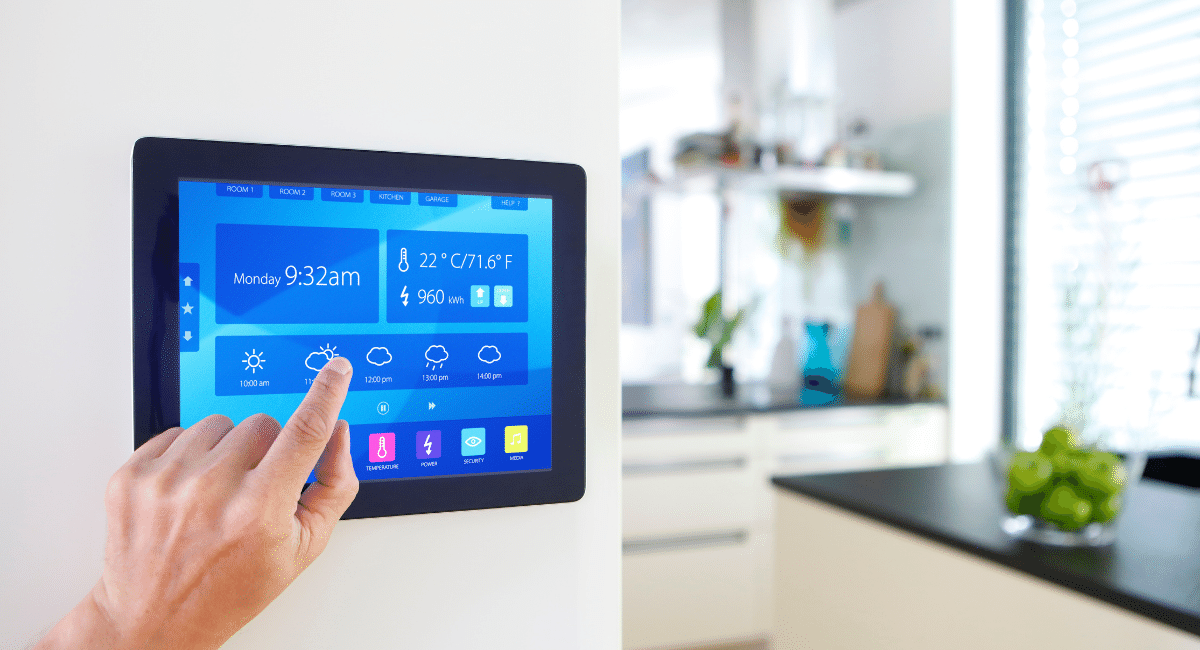
Smart home technology is becoming more mainstream, he says, with homeowners willing and eager to operate various aspects of their homes from their smartphones, and to have systems controlled by Wi-Fi to create efficiencies.
1. House keys
Carrying around a set of jingling keys in your purse or pocket may soon become a thing of the past, with electronic and digital locks becoming a more convenient option. If you lose your keys, lock yourself out, or, someone needs to get in during an emergency where you are not able to let them in.
Electronic locks rely on a code or a fingerprint to open, and you can control some with your smartphone.
2. Telephone jacks
Homeowners continue to cut the cord on landline telephones. In fact, more than half of US households had only wireless service in 2018, according to the U.S. Bureau of Labor Statistics. Canada statistics are usually very similar.
You can remove these phone jacks completely or replace phone jacks with an internet cable outlet for hard-wired internet, or an access point to improve a home’s Wi-Fi. A hard-wired setup will always deliver the fastest connectivity.
3. TV cabinets
Mounting TVs on the wall is a go-to solution for many homeowners these days—so TV consoles and cabinets just clutter rooms.
To accommodate wall-mounted TVs, installing an outlet on the wall at eye level when you're seated and another one at 18 inches above the floor has become a standard practice.
4. Traditional water-heater tanks
Many homes still have tank-filled water heaters. This limits the amount of hot water available, and they can spring a leak, causing extensive damage.
Switching to a tankless water heater can be a more energy-efficient and safer option. Tankless water heaters occupy less space, are more energy efficient, and supply a constant flow of hot water.
5. Manual thermostats
In some homes, you've still got to push a slider on a thermostat and hope you remember to turn it down when you're away. But the days of this old-school technology are numbered.
New programmable thermostats, like the Honeywell smart thermostat ($160, walmart.com), turn heat and air systems off and on automatically. Often, they can be controlled with your smartphone. They are also better for the environment and save homeowners money on their energy bills.
6. Gas ranges
Gas stoves and ovens were a fixture of many homes for generations. However, they can be dangerous and use a lot of energy.
Swapping gas ranges for induction cooktops is more suited to a modern home. Induction cooktops use a lot less energy, there is no inherent danger from gas leakage, and the board is cool to the touch while cooking. In addition, their flat surfaces are far easier to clean.
7. Light switches
Traditional light switches may seem like a necessity, but like so many aspects of a home, they are being replaced with automated options.
Automated switches turn the lights on automatically when you walk into a room or can be programmed to turn on or off at certain times. You’re also able to customize the settings.
8. Traditional power strips and plugs
Power outlets are still a necessity, but they may soon be replaced with smart plugs and power strips that are more energy efficient, and let you control power levels with a smartphone or voice control.
Smart strips and smart plugs allow you to remotely control whether or not the outlet is feeding the appliances power. Now you can always know your TV is turned off when you're away. Some smart plugs and power strips connect with Alexa and other home voice assistants.
9. Hard-wired alarm systems
Most alarms these days are wireless, so old hard-wired alarm systems can be removed. Wi-Fi and smartphones let homeowners keep an eye on their properties at all times, and from anywhere. New security devices are quick to install and come at a much cheaper price than traditional security surveillance.
10. Standard doorbells
More homeowners are switching to with integrated video and audio surveillance, where you can see who’s at your front door and speak to them through your smartphone. A Wi-Fi enabled doorbell with video has replaced traditional doorbells that ring.
Sources: Realtor.com / Erica Sweeney https://www.realtor.com/advice/home-improvement/things-your-home-doesnt-need-anymore/

Assist 2 Sell, HomeWorks Realty
| Assist 2 Sell HomeWorks Realty
or another way