
Categories
HomeBuyer Hub, Buyers, Homeseller Hub, SellersPublished September 4, 2026
Are You Being Watched? Buyers and Sellers, Here's What's Changed

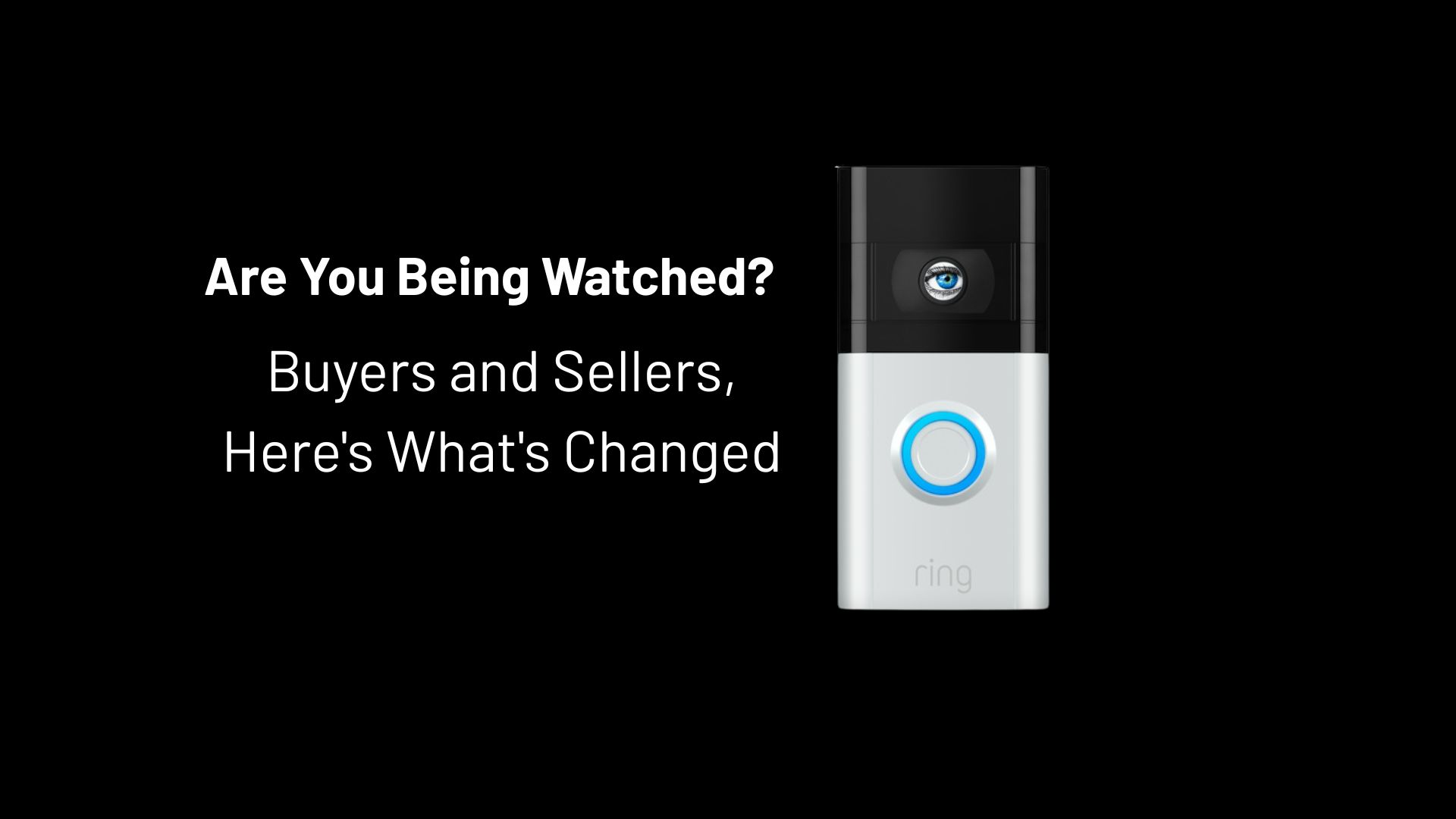
A few years back (in 2017), we wrote about sellers using cameras during showings and told buyers to watch what they said out loud. That post still holds up — but the numbers have moved a lot since then, and we get asked about this often enough that it's time for an update.
The numbers have jumped — a lot
Back in 2021, LendingTree surveyed buyers and sellers and found that 30% of home sellers admitted to using a hidden camera or recording device during showings. A new LendingTree survey from June 2026 puts that number at 56% — nearly double, and now the majority.
It's not just sellers who've noticed. In that same 2026 survey:
- 72% of buyers believe they've been watched during a home tour
- 64% of recent buyers said they're concerned about being recorded
- 34% said knowing a home had active recording equipment would make them less likely to submit an offer
- 18% said they actually decided against making an offer because of it
- 22% avoided talking about their budget or offer strategy out loud
- 22% held back showing how excited they were about a home
- 21% avoided mentioning things they didn't like about the property
That last set of numbers is the real story here: buyers are changing how they behave in a home because they assume someone's listening. If you're a seller, that's worth thinking about — a buyer who's guarded isn't a buyer who's falling in love with your house.
Is this even legal here?
Short answer: mostly yes, with some real limits.
Video is generally fine in a home a seller owns and lives in — except in spaces where people expect privacy, like bathrooms. Pointing a camera into a neighbour's yard or a public street is a separate problem, but inside the home during a showing, video is the least legally risky part of this.
Audio is where it gets tricky. Canada operates on a "one-party consent" rule for recording conversations, and it's covered under Section 184 of the Criminal Code. That means someone in the conversation has to know it's being recorded — a seller secretly capturing audio of a buyer and their agent discussing an offer, without anyone in that conversation knowing, can cross into criminal territory, not just an awkward privacy issue.
There's also a civil angle: courts recognize a claim called "intrusion upon seclusion," which can apply if a recording captures someone in a space or moment where they had a reasonable expectation of privacy.
Bottom line for sellers: if you're keeping your security system active during showings, disclose it. That means noting it in the MLS® listing remarks and posting a visible sign at the door — not hiding a device and hoping no one asks.
What this means if you're selling
There are real reasons sellers keep their systems running — package theft, liability if something goes missing, just wanting eyes on the house while strangers walk through it. That's understandable, especially if you're still living in the home.
But the data above should give you pause. If more than half of buyers are pulling back — softening their reactions, avoiding budget talk, second-guessing an offer — an active camera can quietly work against you at the negotiating table, not for you. A home that feels comfortable to move through tends to sell better than one that feels like it's being monitored.
If you do want cameras running, our advice is simple: disclose it clearly, keep audio off if you can, and never record inside a bathroom or other private space.
What this means if you're buying
Assume you might be on camera or mic in any home you tour, disclosed or not. A few habits go a long way:
- Save the real conversation — your top price, your timeline, what you love or hate about the layout — for the car, not the living room
- If a listing or a posted sign mentions active recording, take it seriously
- If you notice a device that wasn't disclosed anywhere, mention it to your agent — it's worth a conversation with the listing agent
- Don't let it spook you out of a home you actually like. A house you're excited about is still worth pursuing carefully and quietly
Our take
This is exactly the kind of thing a full-service brokerage should be handling for you, not leaving you to figure out on your own. Whether you're listing a home and deciding what to do about your security system, or touring homes and wondering who might be listening, we walk our clients through it — along with everything else that comes with buying or selling in HRM. And unlike most brokerages, we do it for a low flat fee instead of a full commission, which is one of the reasons our clients save an average of $15,187 when they sell with us.
If you've got questions about a home you're considering, or you're getting ready to list and want to talk through your security setup, get in touch with our team — we're happy to walk you through it.
FAQ
Is it legal for a seller to have cameras running during a showing in Nova Scotia?
Video is generally allowed in the seller's own home, outside private spaces like bathrooms. Audio recording is more restricted — Canada's one-party consent rule under the Criminal Code means at least one person in the conversation needs to know it's being recorded.
Do sellers have to tell buyers about active cameras?
They should. Best practice — and what we recommend to our sellers — is disclosing active recording devices in the MLS® listing remarks and with a visible sign in the home.
Should I stop talking during a showing if I think I'm being recorded?
Not stop talking — just save the sensitive stuff. Offer price, top-dollar number, and anything critical about the home are better discussed away from the house.
Do more sellers use cameras now than a few years ago?
Yes. A 2021 survey found 30% of sellers used a hidden camera or recording device during showings; by June 2026, that number had risen to 56%.
Can a buyer back out of an offer over a hidden camera?
Discovering an undisclosed recording device doesn't void a contract on its own, but it's a legitimate reason to raise concerns with your agent, and in the 2026 survey, 18% of buyers said discovering recording equipment led them to decide against making an offer at all.

Assist 2 Sell, HomeWorks Realty
| Assist 2 Sell HomeWorks Realty
or another way